NDIS support coordination that stays with you.
An approved plan only helps when it's put into action. Compare Levels 1, 2 and 3 and Psychosocial Recovery Coaching, find the right fit and see how each is funded.
- NDIS Registered
- Provider No. 4050152781
- Victoria & South Australia
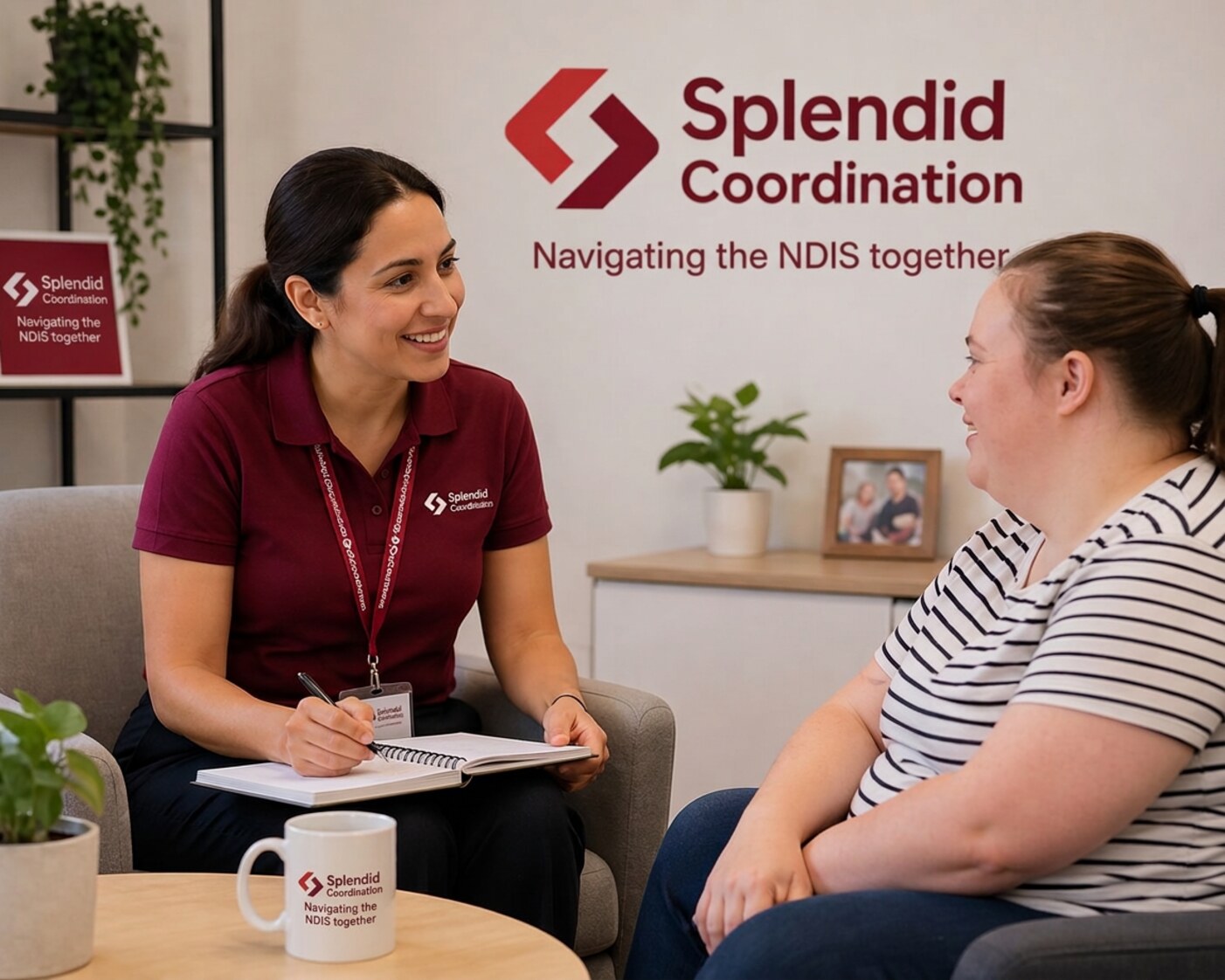
What a support coordinator does
Support coordination is funded in your NDIS plan to help you use the rest of it well. Your coordinator helps you understand your budgets, choose providers, set up service agreements and make sure your supports actually happen.
It's also about building your own confidence with the NDIS over time, so you have more choice and control, not less. We'll always show you a range of providers, and you choose.
Compare the levels
Three levels of support coordination, plus recovery coaching for people with psychosocial disability.
Level 1 Support Connection
- Who it's for
- People who mainly need help getting started and want to build their own skills.
- What's included
- Plan explained, providers found, agreements set up, confidence built.
- Typical situation
- A first plan, or a fairly settled situation with a few new supports.
Level 2 Support Coordination
- Who it's for
- People with several supports to juggle or a lot going on.
- What's included
- Ongoing provider management, budget tracking, early problem-solving, reassessment preparation.
- Typical situation
- Supports keep falling through, or funds are running low before the plan ends.
Level 3 Specialist Support Coordination
- Who it's for
- Participants in high-risk or complex situations.
- What's included
- Risk assessment, crisis and safety planning, coordinating clinical, housing and justice teams.
- Typical situation
- Complex mental health needs, housing breakdown, justice involvement or long hospital stays.
Psychosocial Recovery Coaching
- Who it's for
- People living with psychosocial disability.
- What's included
- Recovery planning, skills and confidence, connecting with mental health services, coordinating NDIS supports.
- Typical situation
- Someone wanting to rebuild routines and connections, often instead of support coordination.
Which level is right for me?
Your plan says which level is funded. If you're not sure it's the right fit, these questions can help.
Mostly need a hand getting started?
Level 1 helps you connect with providers and learn to manage things yourself.
Lots of supports, or a plan that isn't working?
Level 2 gives you ongoing coordination across the whole plan.
Crisis, housing breakdown, hospital or justice involvement?
Level 3 brings specialist coordination with close monitoring.
Living with a mental health condition?
Recovery coaching may suit you better, and can often replace support coordination.
Still unsure? Call us on 1300 941 734. We'll read your plan with you and give you honest advice.
How support coordination and recovery coaching are funded
Support coordination (Levels 1, 2 and 3) and Psychosocial Recovery Coaching are both funded from the Capacity Building budget in your NDIS plan. Support coordination is listed under Support Coordination at the level funded, and recovery coaching usually sits under Capacity Building Daily Activities. Level 3 is only included when the NDIA agrees, based on evidence, that a situation is complex enough to need it.
How it works with your type of plan
- Self-managed
- You pay our invoices from your plan and claim the cost through the NDIS.
- Plan-managed
- We send our invoices to your plan manager, who pays us from your plan.
- NDIA-managed
- As a registered provider, we claim the cost directly from your plan through the NDIA.
Asking for it at a plan reassessment
If the support you need isn't in your plan, ask for it at your next plan reassessment. Explain what's been hard and what coordination or coaching would help with. Reports from your providers, treating team or hospital staff make a strong case, and we're happy to help you gather them. If your situation changes suddenly, you can ask the NDIA to look at your plan sooner.
Funding questions
How does a participant get Level 3 funding?
The NDIA approves it based on evidence of complexity, often from treating clinicians, hospital or justice staff and current providers. We can help prepare that evidence for a plan reassessment.
How much does it cost?
Our services are paid from your NDIS plan at rates that follow the NDIS Pricing Arrangements and Price Limits. We'll show you the rates in your service agreement before anything starts.
What if my funding is running low?
Tell us early. We'll look at your budget with you, prioritise the supports that matter most and, if your needs have changed, help you request a plan reassessment.
Referring a participant? Ready when you are.
Send us the basics or give us a call, with no obligation and no pressure. We reply to every referral within one business day.